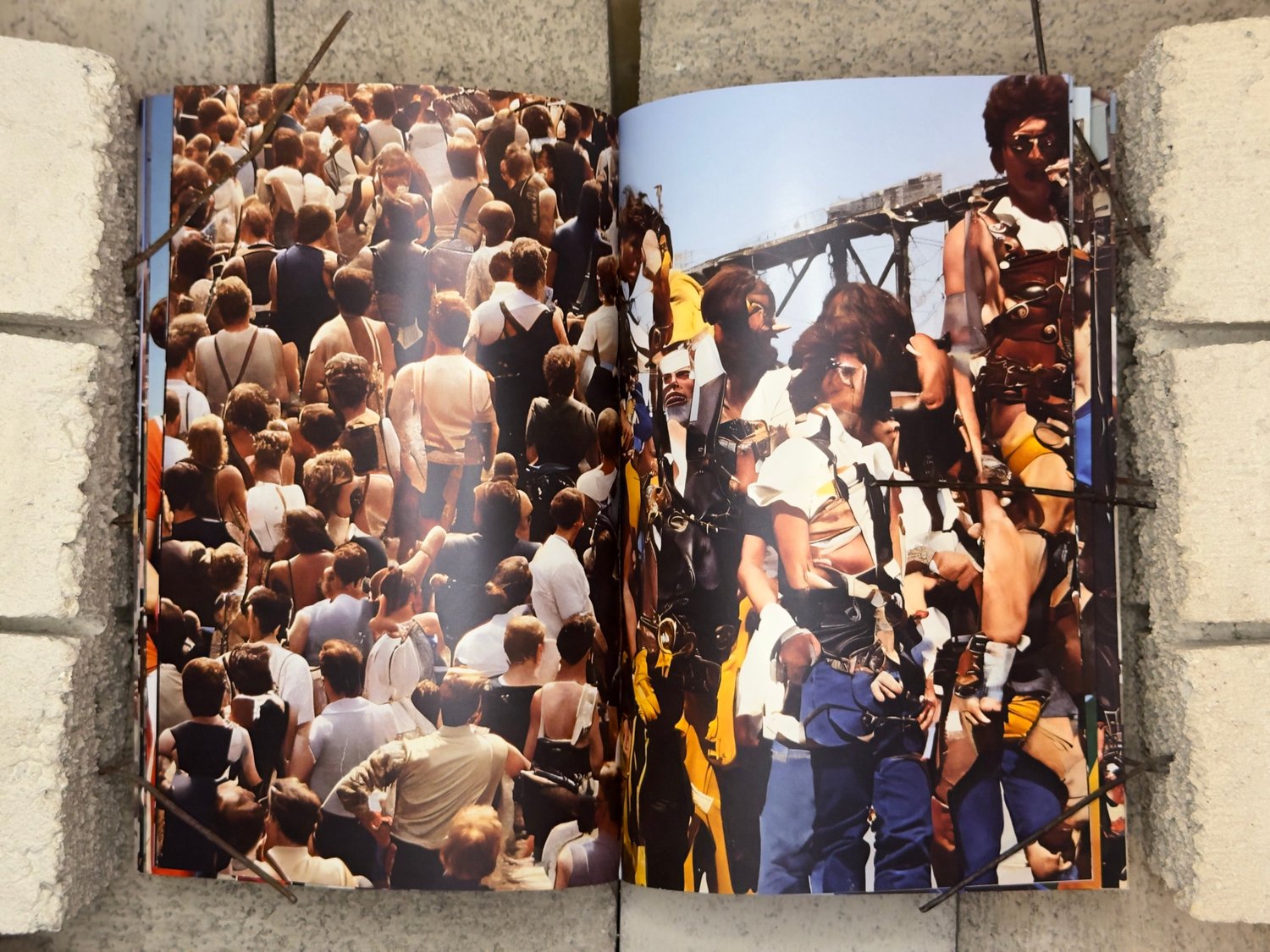
Polk Street, June 27. Speedway Meadow, June 28. A crowd the archive barely kept, pictured by a machine with almost nothing to go on.
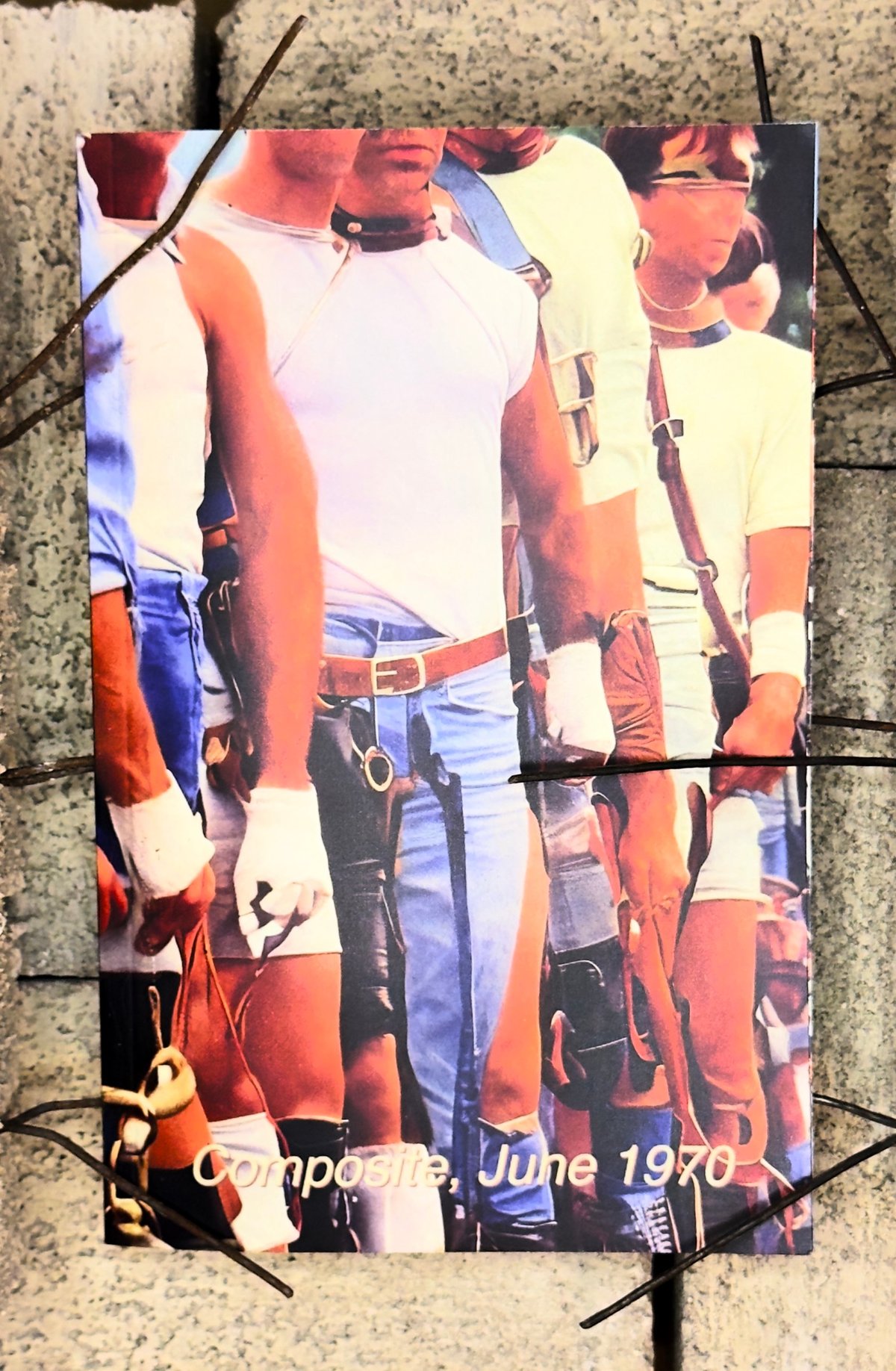
In June 1970, around thirty people marched up Polk Street for gay liberation. The next afternoon, around two hundred gathered at Speedway Meadow in Golden Gate Park for a Gay-In, now referred to as the city's first Pride.
I looked for photographs from those two days. The GLBT Historical Society's own feature on the birth of SF Pride illustrates 1970 with a flyer. Their 50 Years of Pride exhibition holds nearly sixty photographs across five decades and nothing from 1970. OpenSFHistory begins at 1974, with Greg Gaar's pictures of the fifth annual parade. The closest photographs to the first Pride are four years and four parades later. I could not find an image of those two days in the collections a model would have been trained on.
So I asked a machine to picture them instead.
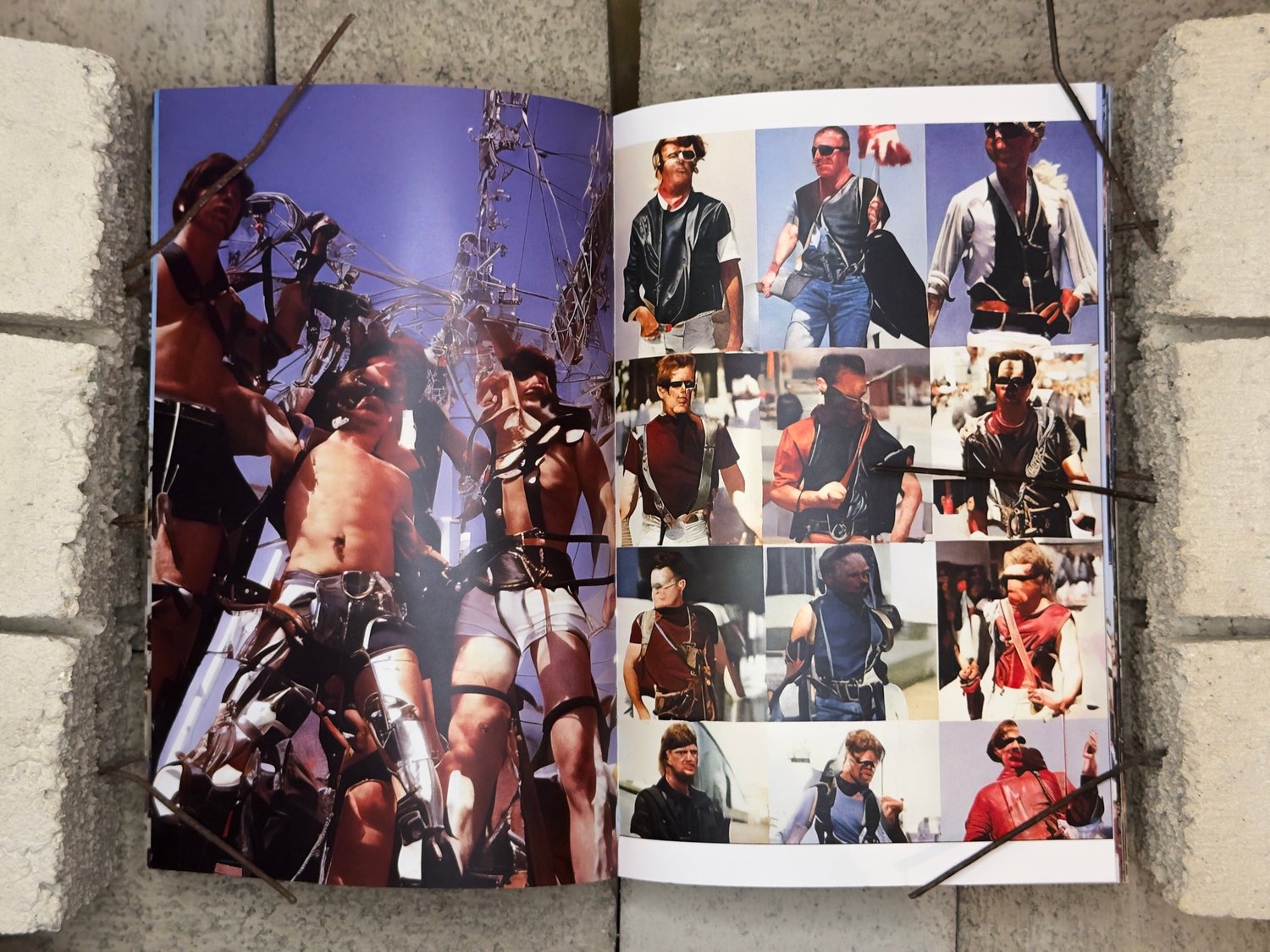
I started in 2024 with Analog Diffusion, a model wavymulder built on Stable Diffusion 1.5 and trained on film photographs. I ran a high step count when generating images to get as much detail as possible. The model card is transparent about the trade-off, which is that if you suppress the blur and haze the picture sharpens and the analog effect weakens. Softness is what this model was built to deliver, but the missing people in the crowd came from somewhere else. Two separate causes land on the same result. Call it anonymity or call it erasure.
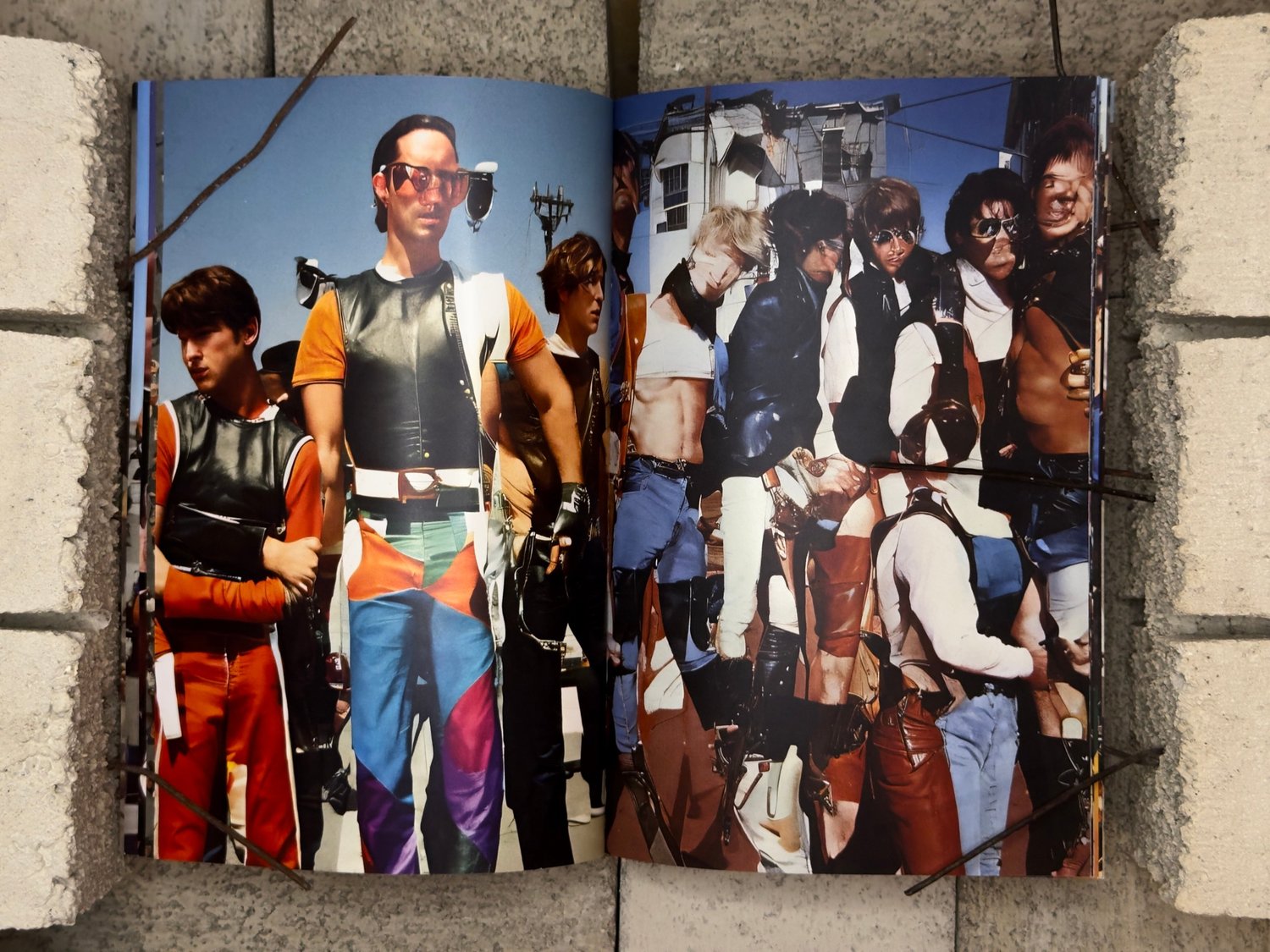
The model sent back white men in leather and sunglasses, again and again. Skin tone holds inside one narrow range no matter what I type. Black, brown, transgender, and gender nonconforming people were on those streets those days, and in the outputs, they are close to absent.
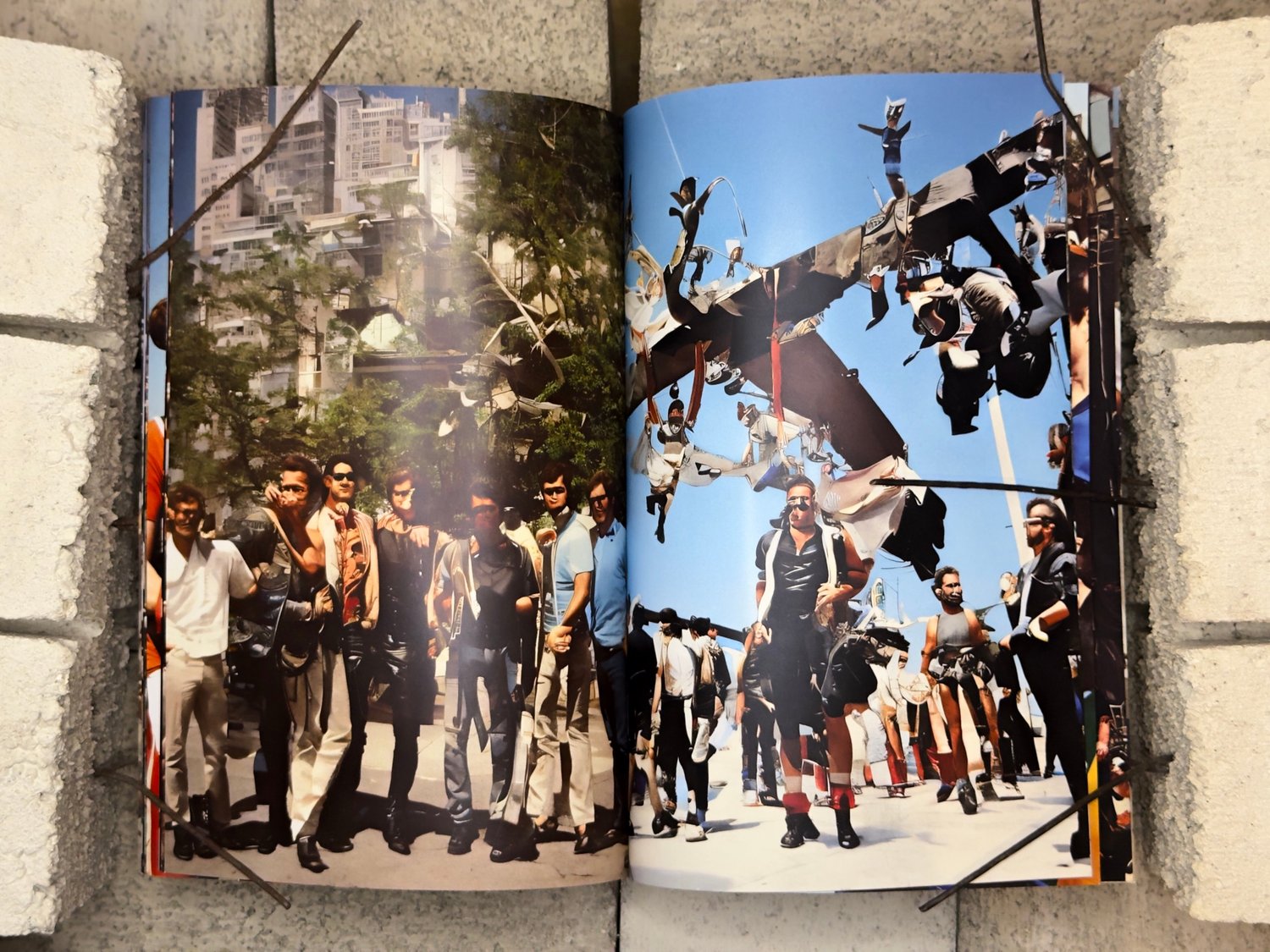
The aesthetic of these outputs dates itself. The faces and bodies come out the way everything did when text-to-image first went public, with that early uncanny style. Two years on, the newer models render people far more convincingly. These images announce which generation of the technology I created them with, and which datasets that generation learned from.
In 2026, I went digging through these “archival” pieces I had made two years earlier. I rebuilt the same settings in ComfyUI and generated roughly two thousand more images to find out whether the first result was a fluke, and it held up. The same settings, two years apart, and the same crowd.
I have kept working with newer models since, across other collections. They render bodies differently and more clearly, but the narrowness they live in has not moved.
Choosing the 32 images for this collection, plus the printed book selection, took longer than making the two thousand. I edited the set the way a photographer might have covered those two days. Wide crowd shots, a few single figures, street-level shots above the heads, and the odd angle that nobody bothered with. These are vantage points rarely seen in photography in 1970. I wanted a collection that reads as coverage, so what is missing has nowhere to hide.
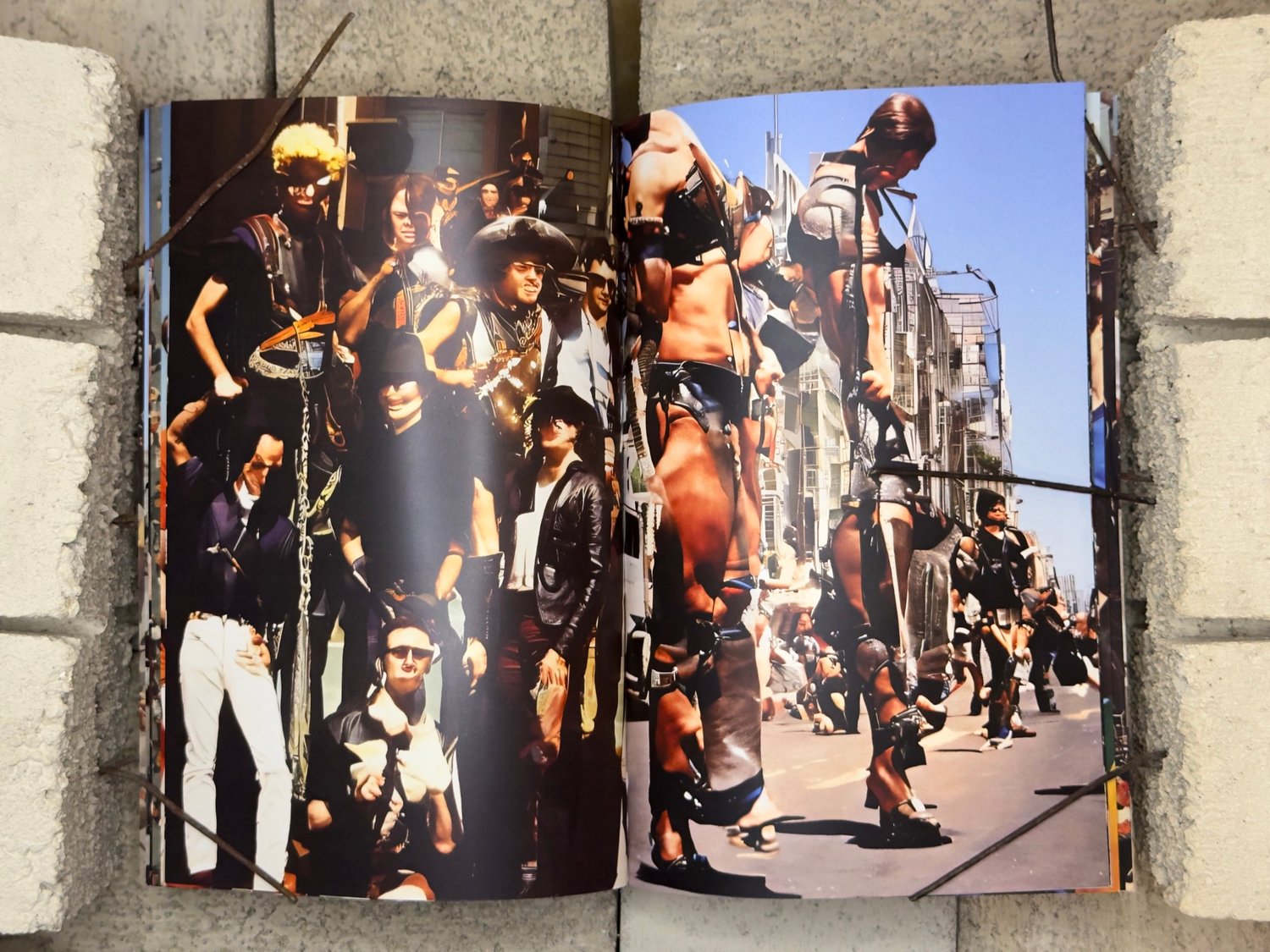
As a queer person of Mexican descent, I continue to ask what these systems do with me, how they represent me, and what they treat as acceptable. This time I asked about the people who came before me, and the response was a haze of the same faces I always get.
Visibility carries the most weight in data built to represent people and culture. With that weight comes a responsibility to remember. If you build a dataset that strategically leaves people out, you continue the erasure. I have been working on how erasure shows up in AI for a few years, almost always in the present tense. Here I wanted one specific event, on two specific days, fifty-six years before I typed the prompt.
In 1970, a lot of people stayed out of photos on purpose. Being queer meant risking your job, your family, your freedom. Ten years later, AIDS arrived, and so many of the people in this crowd died, and their photos and letters went with them. Whatever was left has become the training data.
When I look at these images, I see people who hid to stay safe, and people we lost. The machine sees neither.
So I keep asking whose faces the record kept, and who stood outside the frame the whole time.
Collect
A digital collection of 32 1/1 images.
Collect on objktA printed book of 100 hand numbered copies carries its own unique images.
Collect the book